Powering for Generous Plots
Powering for Generous Plots
Blog Article
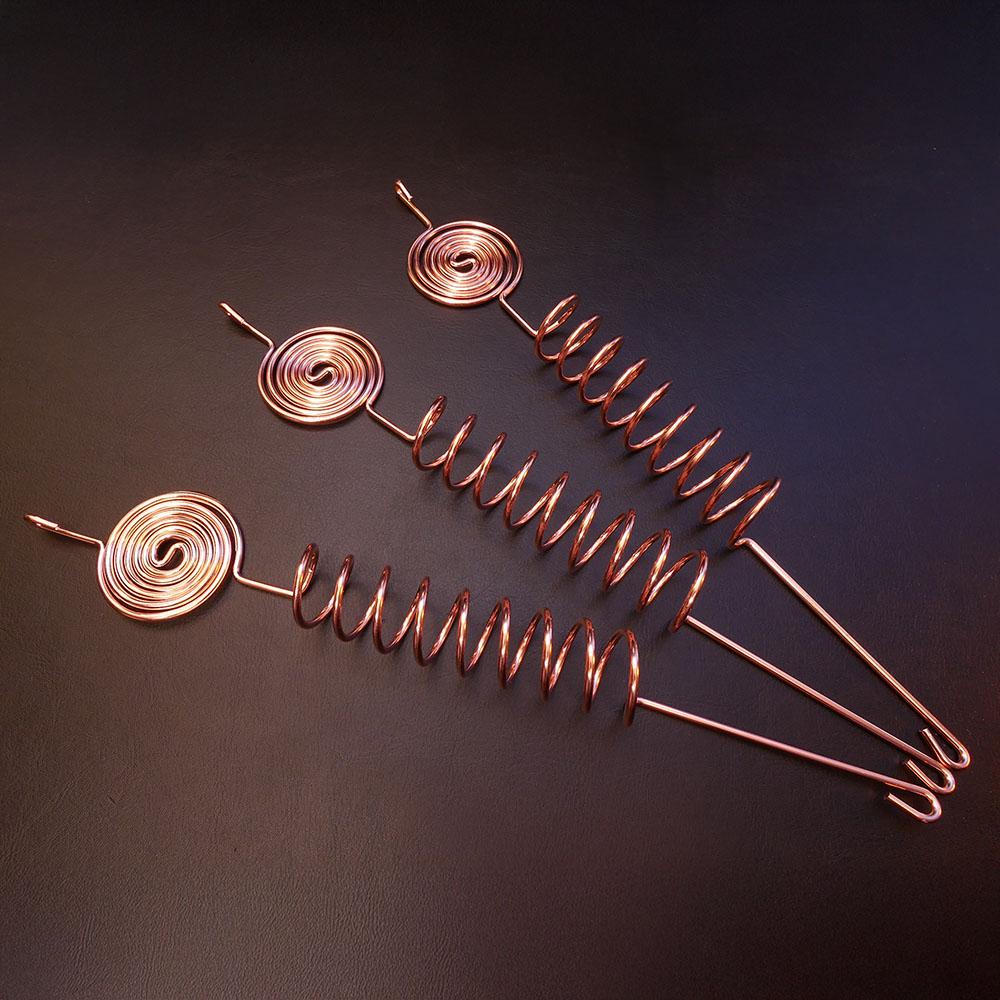
Electroculture, the unusual technique , proposes that vegetation can thrive when given to gentle electrical currents . Advocates of electroculture suggest that this subtle jolt enhances mineral absorption , leading to accelerated maturation and possibly more yields . While rigorous validation has been limited , many experimenters report astounding outcomes in their home gardens , inspiring ongoing study of this alternative method to agriculture and sustenance production .
Getting Started to Electroculture Gardening
Curious to try a innovative gardening system? Electrical gardening uses harnessing electrical energies to improve plant yield. This sounds advanced , but the fundamental principles are surprisingly straightforward to understand . Typically, it requires creating some grid of metal wire around your seedlings , potentially connected to a small energy source. While definitive proof is available limited, many cultivators report significant benefits in plant health and harvest. Let’s briefly discuss the fundamentals in later sections.
Does Bio-Electrical Agriculture Truly Work? Differentiating Reality versus Fiction
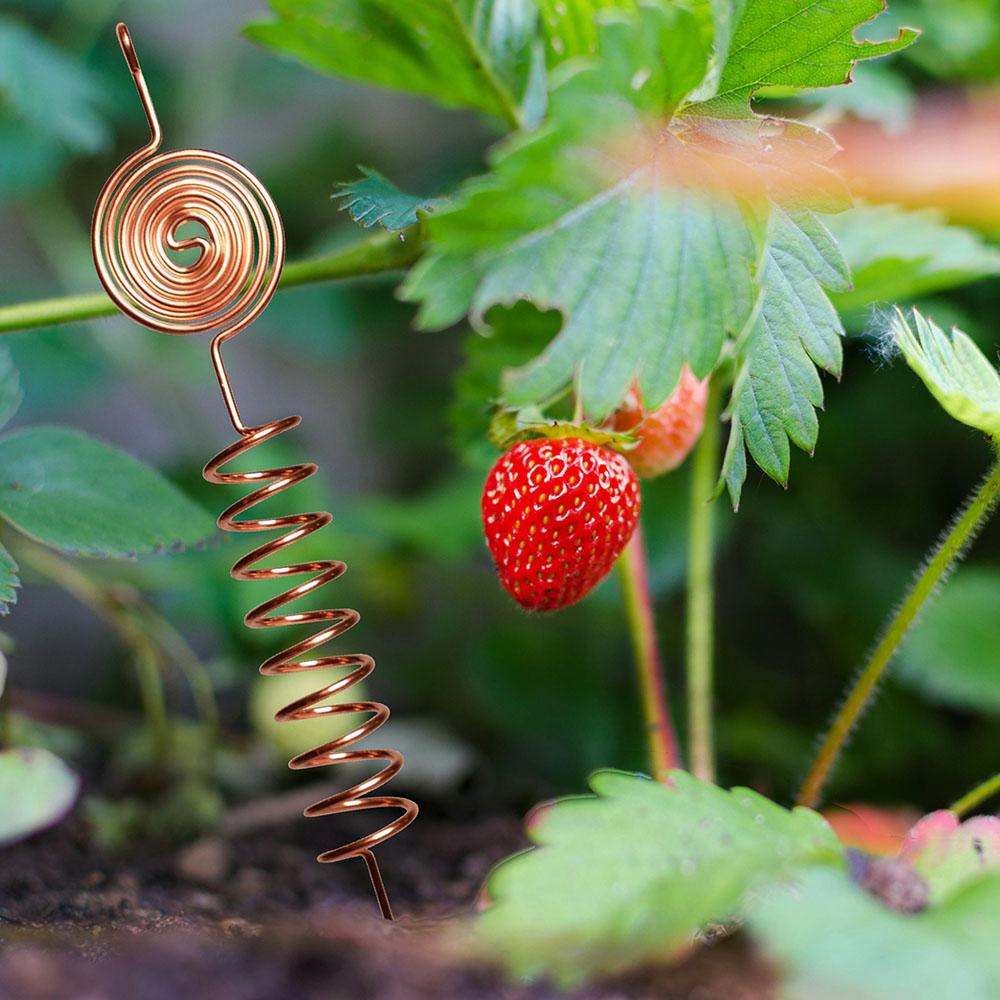
Electroculture, a process involving subtle power to boost crop production, sparked considerable attention online. However, it's essential to carefully assess the assertions and delineate valid findings from unsubstantiated hype. Although some initial trials suggest to show improved outputs, the empirical foundation persists primarily unexplained. Many reportedly triumphs might be due to confounding variables, including the earth, irrigation, or simple coincidence. Enhanced research and peer-reviewed approval are essential to determine if electroculture involves a viable agricultural technique.
Building Your Own Electroculture Garden: A Detailed Guide
Embarking towards the fascinating world of electroculture can appear daunting, but constructing your personal electroculture garden is surprisingly doable with a few basic steps. First, gather your materials: a pot , copper cabling , zinc plate , water, and a electrical charge – a small battery or DIY cell can function . Next , position the copper and zinc surrounding the water in the container, ensuring they don't touch. The electrical field generated between these metals is believed to stimulate plant development . Finally, monitor your plants and adjust the system as needed – electroculture is as much about experimentation as it is dealing with following directions .
Electrical Gardening vs. Traditional Horticulture : Which This Difference ?
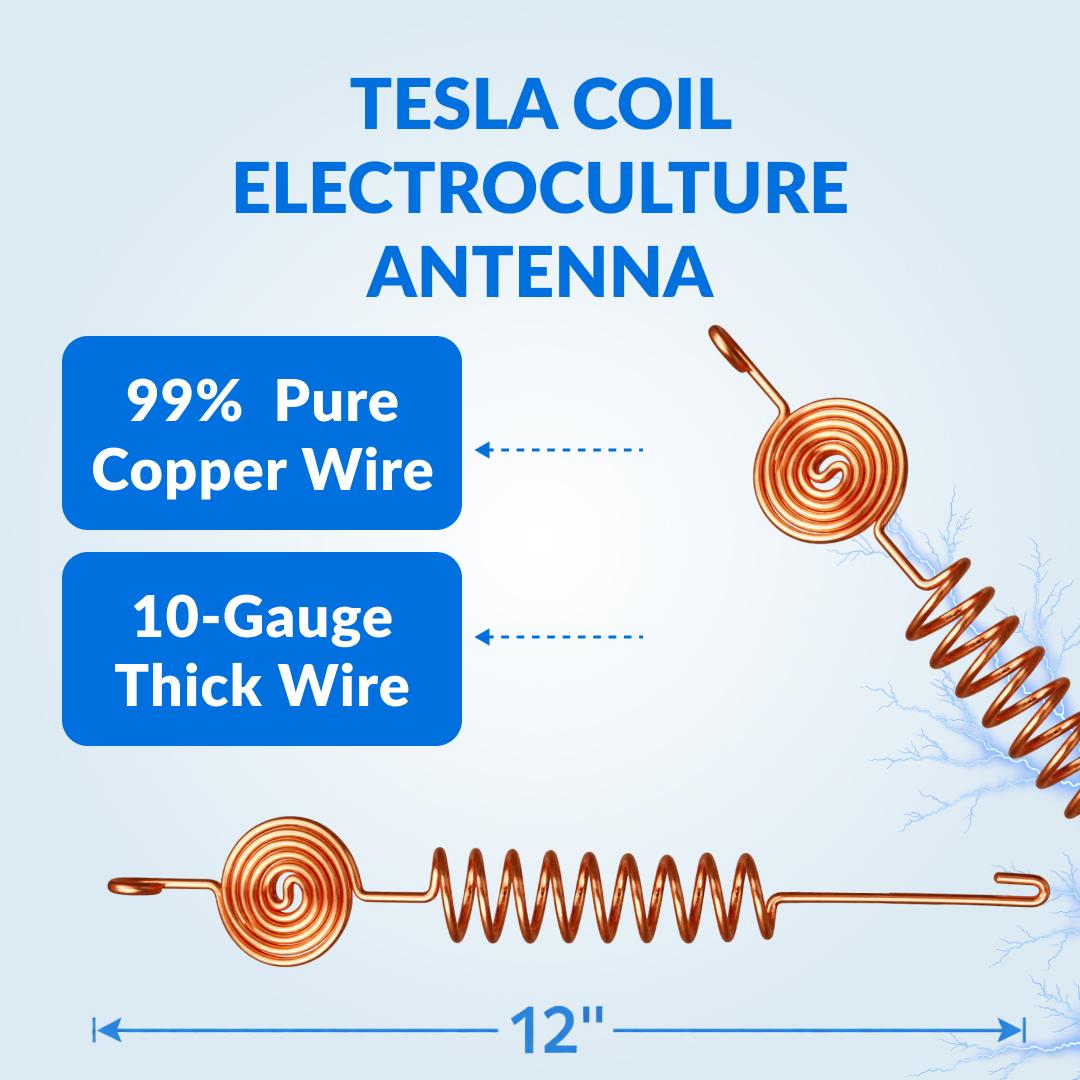
Several gardeners are exploring bio-electrical farming as an method to standard gardening . While both pursue to cultivate thriving crops , they utilize drastically contrasting strategies. Traditional gardening relies on electroculture antenna ground elements, sunlight , and water , often with supplemental nutrients . In opposition , electrical gardening utilizes a low charge to activate crop development , possibly minimizing the need on soil and standard enhancements. Ultimately , bio-electrical farming embodies a relatively innovative concept in farming with distinct opportunities.
Boosting Plant Growth with Electroculture: Potential & Practicalities
Electroculture, a fringe technique indicating plant development through electrical charges, has sparked considerable curiosity amongst growers. Historical reports suggested significant increases in yield and general plant health . While the specific mechanism stays uncertain , some theories relate to enhanced water absorption and nutrient access within the earth . Practical uses can range from rudimentary DIY setups using copper and zinc conductors to more advanced setups . However, it’s essential to approach electroculture with consideration, acknowledging the scant peer-reviewed academic proof and potential risks associated with faulty implementation. Further research is needed to entirely comprehend the potential and drawbacks of this intriguing strategy to horticulture .
- Potential benefits include increased yield and improved plant health.
- Consider the need for further research and scientific validation.
- Practical applications range from simple DIY systems to complex configurations.